Most Dangerous Intersections in Kitsap County
Discover the most dangerous intersections in Kitsap County based on crash data. Learn where accidents happen and what to do if you’re injured.
What Makes an Intersection “High-Risk”?
Not all dangerous intersections look dangerous.
The most common factors we see in real cases include:
- High traffic volume (especially commuter routes).
- Left-turn conflicts.
- Congestion + impatience.
- Poor visibility or confusing layouts.
- Highway-speed traffic mixing with local roads.
These conditions increase the likelihood of serious collisions, even for careful drivers.
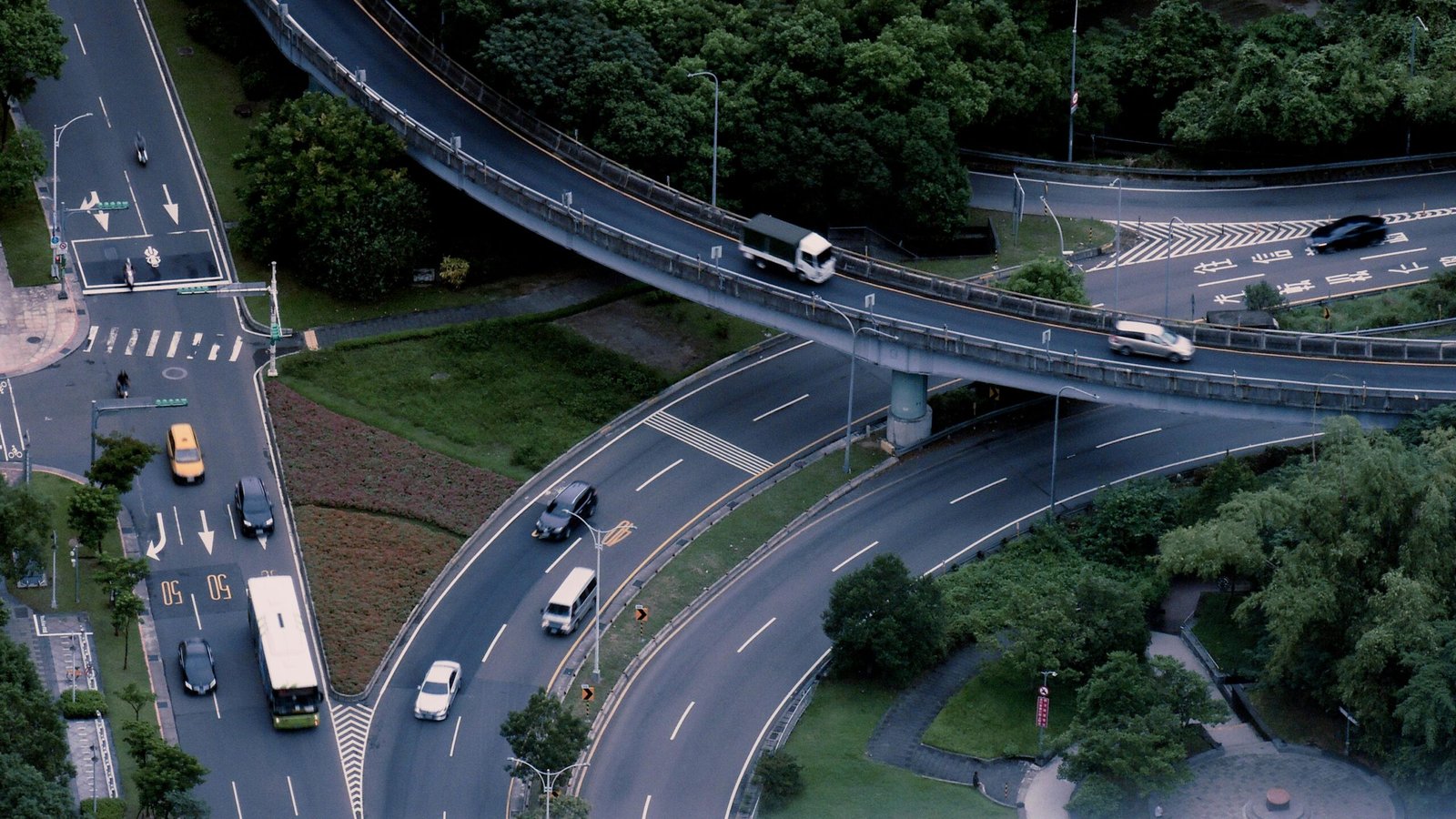
High-Risk Intersections in Kitsap County (2026 Guide)
SR 3 & Division Ave / West Pleasant St (Gorst)
This is one of the most consistently flagged intersections in Kitsap County.
- Identified by Washington State Department of Transportation for safety improvements.
- 19 crashes (2015–2020), including fatal and serious injury crashes.
- High rate of angle (T-bone) collisions (42%).
Why it’s risky: High-speed highway traffic + turning conflicts + congestion at the Gorst corridor.
SR 160 & Long Lake Rd SE (Port Orchard)
A formally designated high-priority safety location.
- Classified as an Intersection Analysis Location (IAL) by Washington State Department of Transportation.
- 22 crashes in a 5-year study period, including serious injuries.
Why it’s risky: Speed + turning movements + limited reaction time.
SR 166 / Bay St – Bethel Ave (Port Orchard)
A complex, multi-directional intersection in a busy area.
- 13 crashes (2014–2018) in WSDOT pre-design study.
Why it’s risky: Confusing layout + heavy local traffic + multiple decision points.
Wheaton Way & Sylvan Way (Bremerton)
One of the highest crash-volume intersections in Bremerton.
- 409 total crashes / 61 injury crashes (2006–2024).
- Data from Bremerton Police Department.
Why it’s risky: Commercial congestion + frequent turning + stop-and-go traffic.
11th St & Warren Ave (Bremerton)
A consistently high-incident intersection.
- 295 crashes / 36 injury crashes (Bremerton Police data).
Why it’s risky: High traffic flow + signal timing + turning conflicts.
11th St & Callow Ave (Bremerton)
Another major Bremerton crash hotspot.
- 273 crashes / 35 injury crashes.
Why it’s risky: Urban density + multiple turning movements.
How to Protect Yourself at These Intersections
Even at high-risk locations, small habits can dramatically reduce your risk:
- Pause before accelerating on green lights (watch for red-light runners).
- Avoid rushing left turns.
- Stay alert during heavy traffic or ferry commute hours.
- Keep extra following distance in stop-and-go areas.
Frequently Asked Questions
What is the most dangerous intersection in Kitsap County?
Kitsap County does not publish an official ranked list. However, intersections along SR 3, SR 160, and major Bremerton arterials consistently show higher crash volumes based on state and local data.
Why are intersections more dangerous than other roads?
Intersections involve crossing traffic, left turns, and split-second decisions, making them the most common location for serious crashes.
What should I do after an accident at an intersection?
Seek medical care immediately, document the scene, avoid giving recorded statements to insurance companies, and consider speaking with a personal injury attorney. Here's our handy Guide.
Can I still recover compensation if I was partially at fault?
Yes. Washington is a comparative fault state, meaning you can still recover damages even if you were partially responsible.
We represent individuals and families who have been injured in accidents throughout Kitsap County, including Bremerton, Silverdale, Poulsbo, Port Orchard, and Bainbridge Island. Our work is rooted in this community, and we regularly help clients navigate the aftermath of collisions on the same roads they drive every day, whether commuting to the ferry, traveling along SR 3, or moving through busy commercial corridors.
Because we focus our practice here, we have a strong understanding of local traffic patterns, roadway design, and the intersections where serious accidents occur most frequently. We have seen firsthand how congestion, high-speed corridors, and complex turning movements contribute to collisions, and we use that insight to build stronger cases for our clients. This local knowledge allows us to anticipate common defenses, identify contributing roadway factors, and present a clear, compelling picture of how and why a crash happened.